
Is Online Betting Legal in South Africa in 2026? How to Check a Licensed Operator and Avoid Common Red Flags

For South African users, the key question is legal status, not bonuses or odds. In 2026, use a bookmaker only if it clearly shows South African licensing details, follows 18+ rules, and offers a real complaints path before you deposit. A polished betting site is not the same as a properly licensed South African operator.
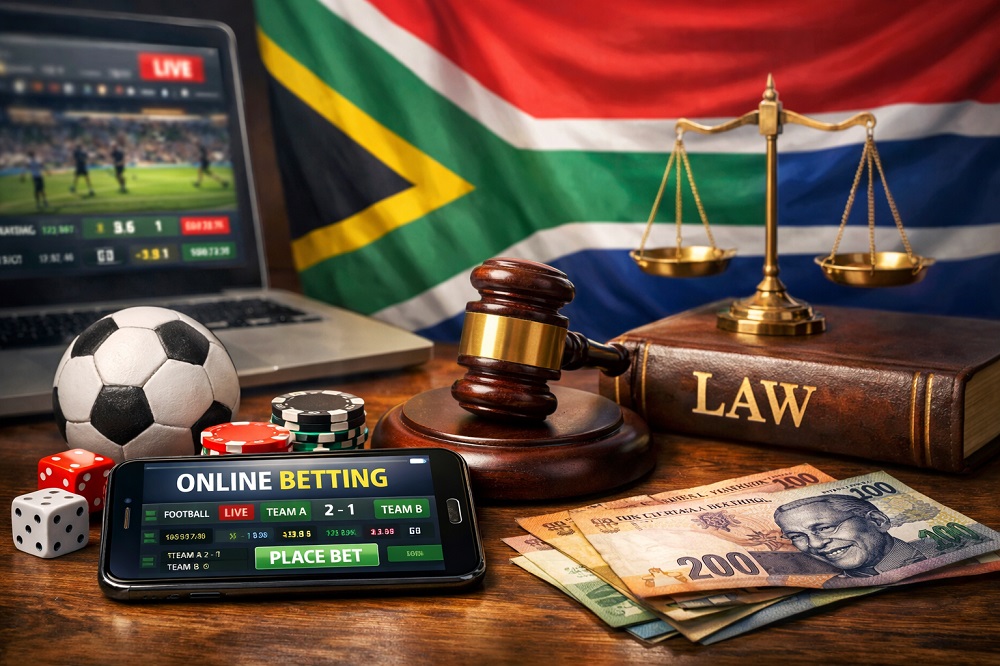
What is actually legal in South Africa in 2026?
For a South African reader, the safe starting point is simple: online betting is not judged by how international a site looks. It is judged by whether the operator is licensed in South Africa for online betting and whether that proof is visible and verifiable before any money is sent.
That distinction matters because many sites use the same familiar elements: live odds, polished cashier pages, event banners, and broad sports menus. None of those features tells you whether the operator has a valid local licence. In South Africa, the safer starting point is local licensing proof, a clearly named provincial authority, and terms you can read before you register or deposit.
How to check a licensed operator on the home page
The first useful test is not the promotion page. It is the home page footer, header area, or site-wide legal strip. A licensed operator should make its licensing information easy to find. If you need several clicks, a support article, or a chatbot answer just to confirm legality, that is a poor start.
- Look for a real licensing line. It should identify the operator and point to a South African provincial licensing authority, not a vague statement about being “regulated” somewhere.
- Check whether the legal entity is named consistently. The brand name, legal name, and licence reference should not contradict each other across the footer, terms, and payment pages.
- Match the province to the licence reference. In South Africa, licensing is provincial. A site that speaks only in generic global language but gives no local authority is not giving you the proof you need.
- Cross-check before deposit. If the operator claims to be licensed, verify that claim rather than treating the home-page text as sufficient on its own.
A proper licence reference does not guarantee a perfect experience, but missing South African licensing proof is a far more serious risk than an average bonus or a basic app interface.
Licensed operator vs an international-looking site without local proof
A licensed South African operator and an international-looking betting site can feel almost identical at first glance. Both may offer sports coverage, pre-match and live markets, quick sign-up forms, and a mobile-first layout. The difference appears when you move past the promotional surface and check the legal details behind the brand.
A licensed operator normally gives you a clear chain of accountability: legal name, local licence reference, provincial regulator, identifiable complaints route, and terms written for the framework under which it operates. An international-looking site without local proof often relies more on presentation. It may highlight global users, major tournaments, instant payouts, or secure payments while staying unclear about who licenses the betting activity offered to South African users.
- Licensed operator: local proof, clearer accountability, and a dispute route that does not depend on offshore support promises.
- International-looking site without local proof: strong presentation, weak local traceability, and a higher chance that the user discovers the real risk only when withdrawal or verification begins.
- Practical takeaway: treat “looks legitimate” as marketing; treat “shows verifiable South African licensing” as the real checkpoint.
Which terms to read before you deposit
Many readers open the terms only after a problem starts. By then, the useful warning signs have already been missed. The better approach is to read the sections that shape the deposit-to-withdrawal path. You do not need every clause, but you do need the parts that can change how the account works once it has been funded.
- Verification timing: check whether the operator can request identity documents before withdrawal, after deposit, or at any stage. A site that hides this point can turn a simple cash-out into a delay.
- Withdrawal rules: look for processing language, source-of-funds checks, same-method requirements, account-name matching, and any conditions that can freeze or reverse a payout request.
- Bonus mechanics: if a bonus exists, read wagering rules, expiry, minimum odds, market exclusions, and whether bonus participation can restrict ordinary withdrawals.
- Account restrictions: read the clauses about duplicate accounts, shared payment methods, VPN use, location issues, and suspicious-play triggers. These clauses often become active only when a user tries to cash out.
- Dormancy, limits, and closure: check whether inactivity, self-exclusion settings, or risk controls can affect balances, access, or open bets.
You do not need perfect terms. You need clear terms that are visible, readable, and understandable before the first deposit, especially where verification, withdrawals, and account restrictions are concerned.
Why the complaint path matters in South Africa
Readers often focus on odds, payment speed, or market depth and overlook the complaint path. In practice, that route shows whether the operator sits inside a system that can be challenged locally or whether you are relying on support emails with no meaningful enforcement behind them.
In South Africa, the important question is not just “Can I contact support?” It is “If support rejects my complaint, which provincial authority issued this licence, and can I escalate there?” That local escalation path matters for disputes about identity checks, delayed withdrawals, closed accounts, voided bets, or conflicting rule interpretations.
- If the licence is clear, the complaint path is clearer. You know which provincial authority stands behind the licence reference.
- If the licence is vague, the complaint path is weak. You may end up dealing with a platform that is easy to join but difficult to challenge when a dispute starts.
- Before deposit, ask one practical question: if a withdrawal dispute starts, where exactly would you escalate it inside South Africa?
A betting site can seem fine while deposits work without friction. The pressure point usually appears when verification, payout speed, source-of-funds questions, or account restrictions interrupt the normal flow. That is where a real local complaint route starts to matter.
This check matters across every betting vertical
The legal and practical checks above are not limited to one sport. The same logic applies whether you move between football predictions, cricket predictions, tennis predictions, NBA predictions, UFC predictions, boxing predictions, NHL predictions, or IPL predictions. Market type does not replace operator due diligence.
A site can offer strong cricket coverage, deep football menus, or fast live trading on combat sports and still fail the basic operator check if local proof is missing or the complaint path is unclear. Useful content does not replace legal standing, and those two checks should be kept separate.
Quick FAQ for South African readers
Is online betting legal in South Africa in 2026?
Online betting is lawful only when it is offered through a bookmaker licensed in South Africa for online betting. Local licensing should be treated as the starting requirement, not an optional extra.
Where should I look for the licence first?
Start on the home page, especially the footer and legal area. A serious operator should not make you hunt for basic licensing proof that matters before deposit.
Does a polished website mean the operator is safe?
No. Design quality, market depth, app speed, and major promotions do not replace verifiable South African licensing information and a real local complaints path.
What is the biggest red flag before deposit?
The biggest early warning sign is unclear or missing local licensing proof. When that is combined with vague terms or a weak complaint route, the risk rises sharply.