
Free UFC Predictions
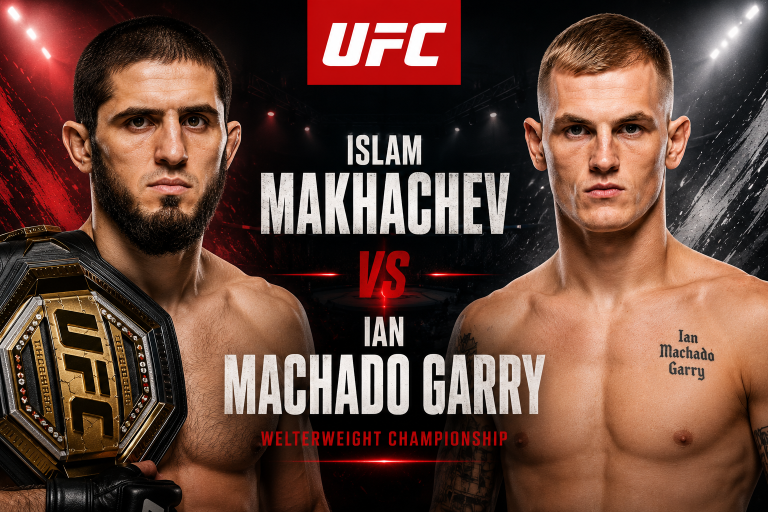
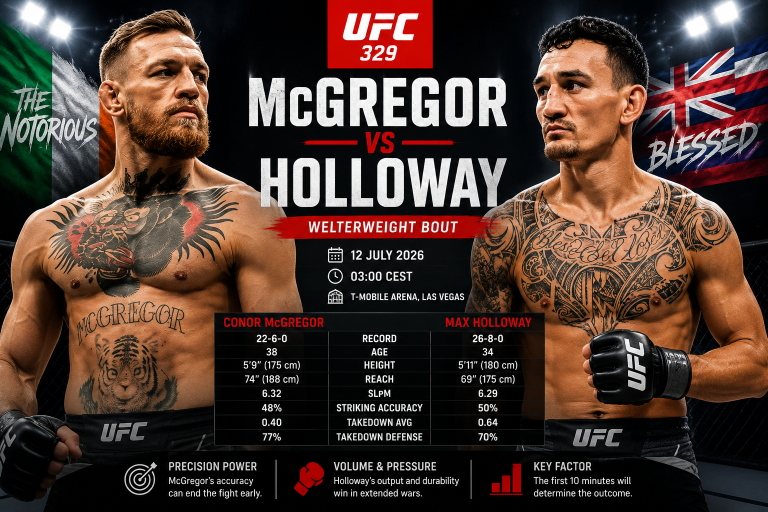
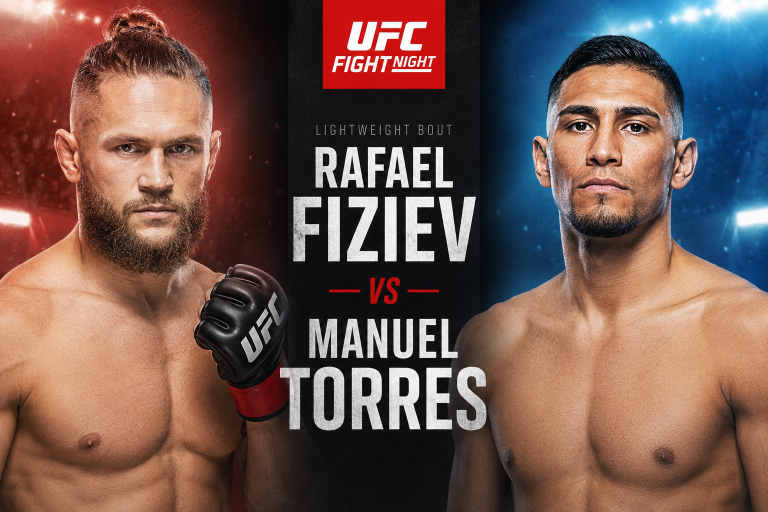
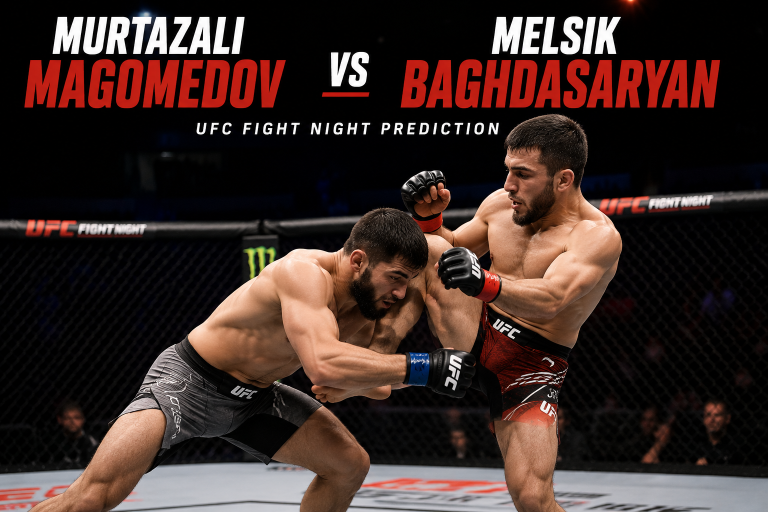
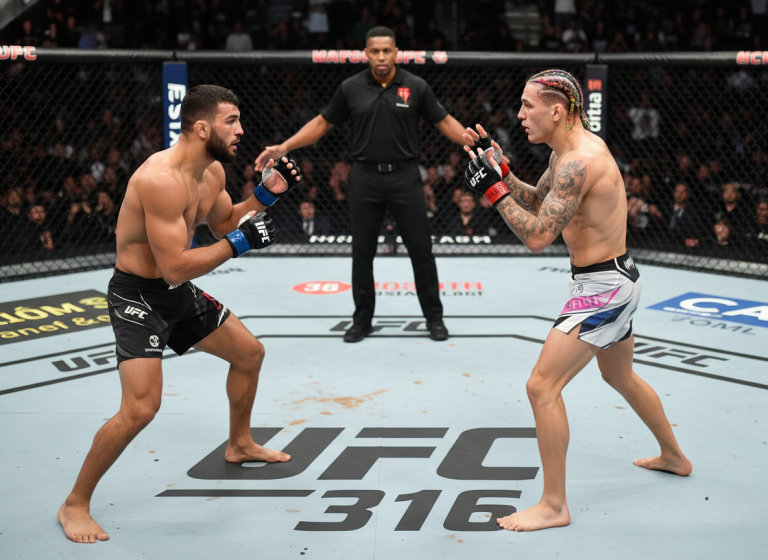
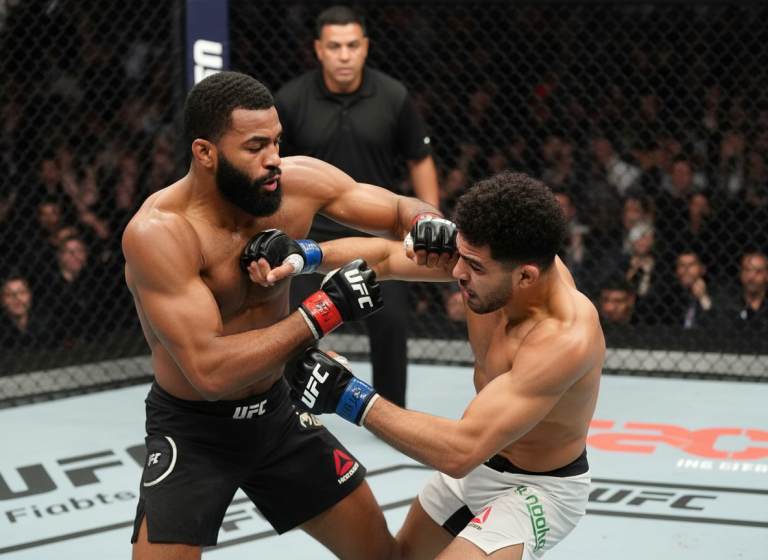
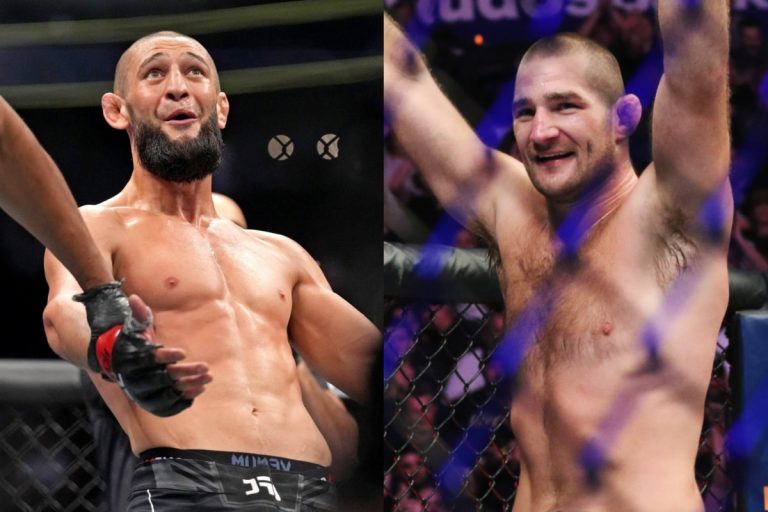
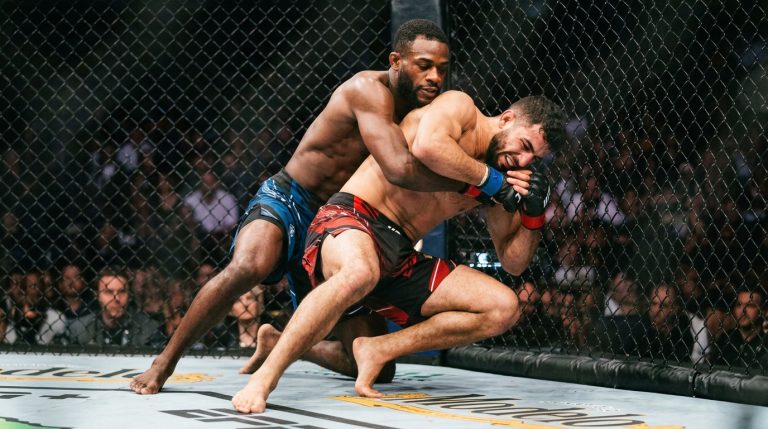
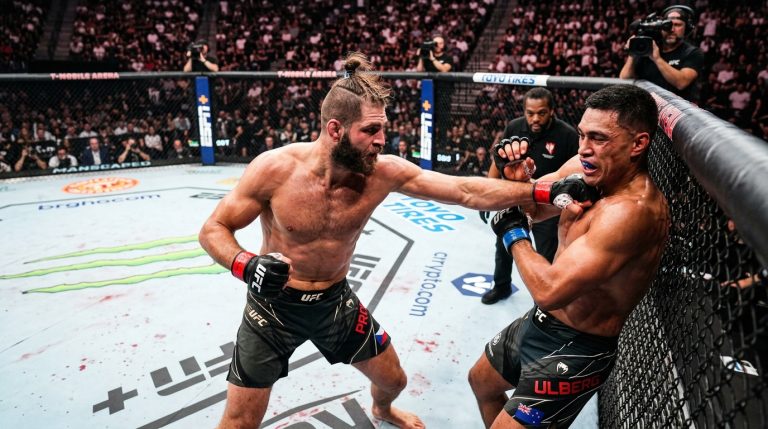

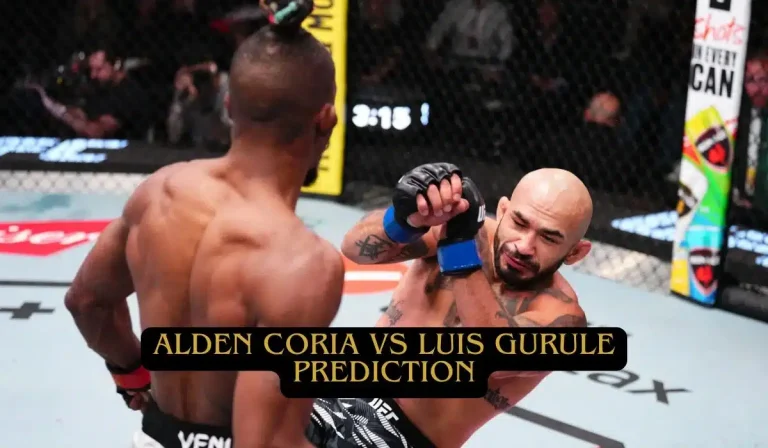
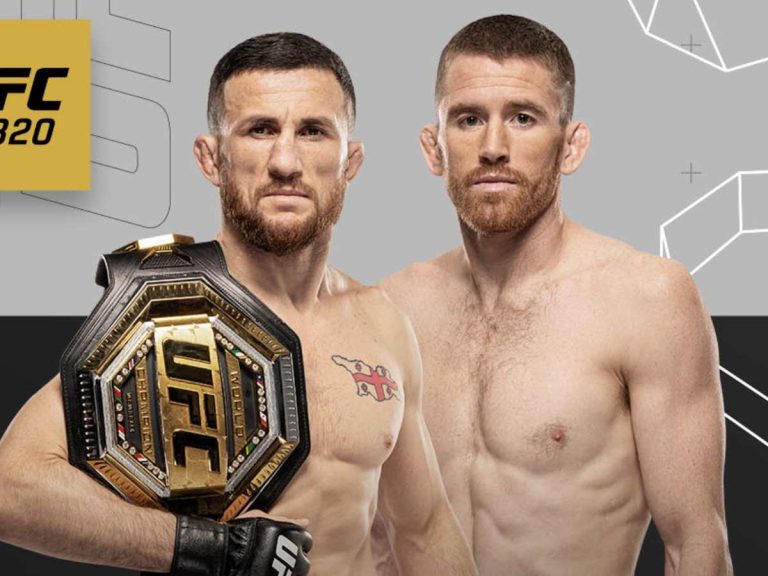
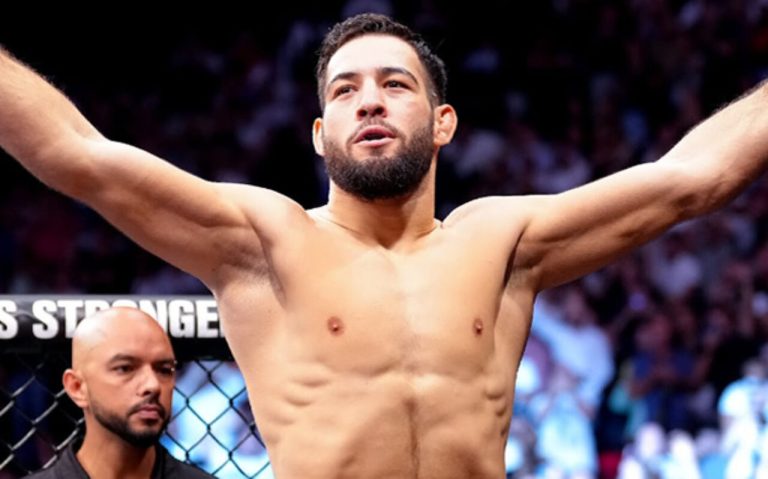
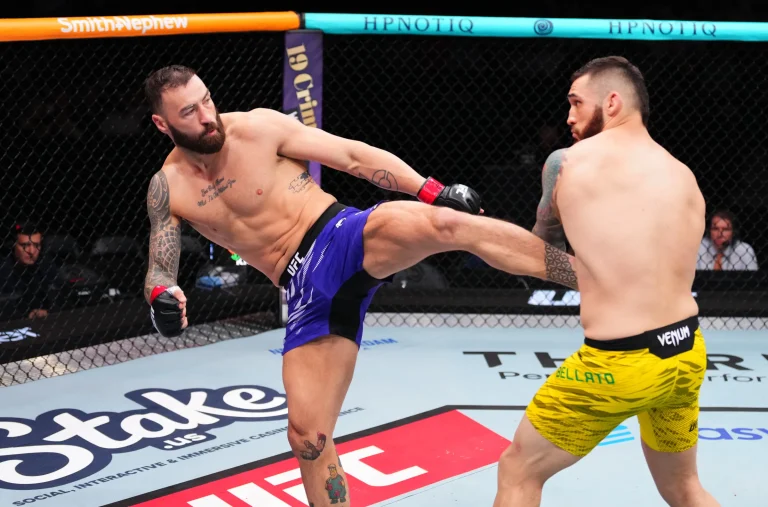
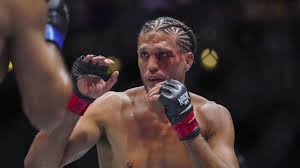
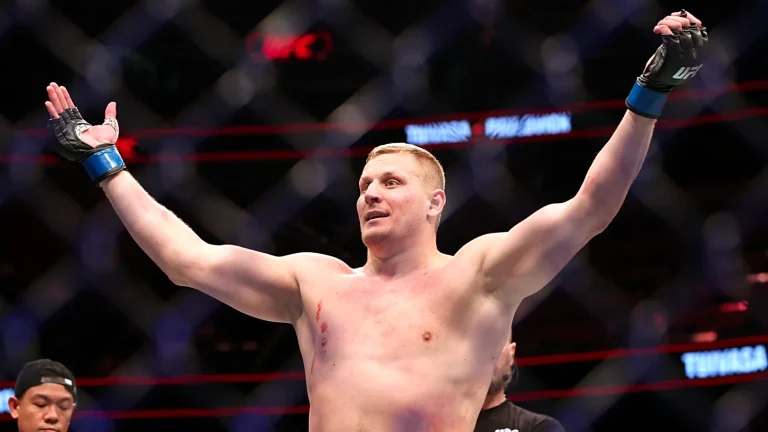
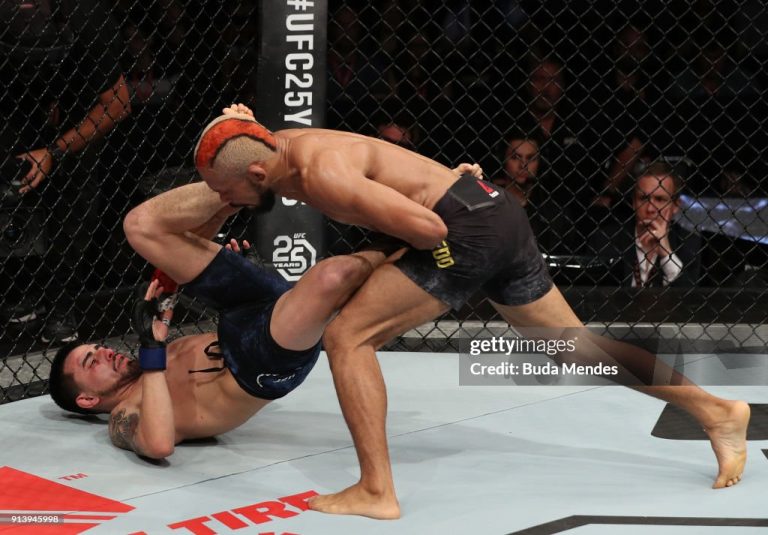
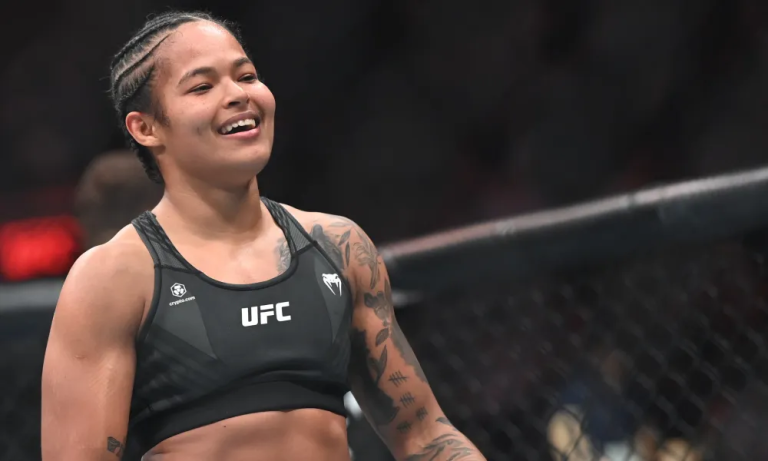
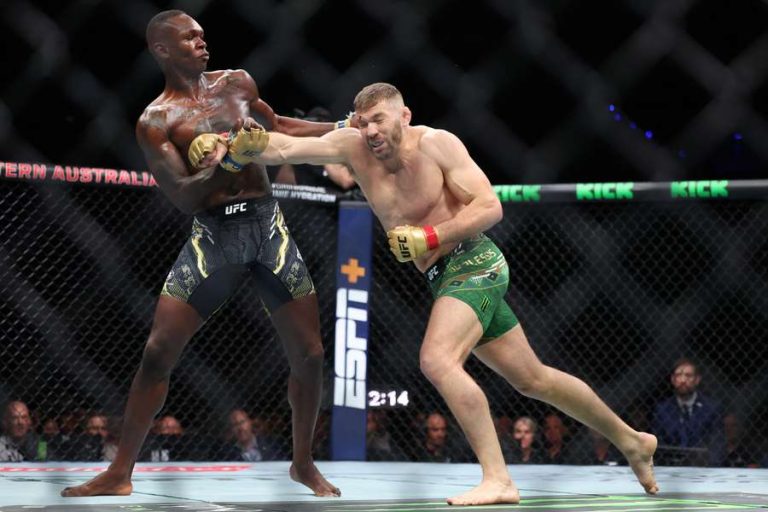


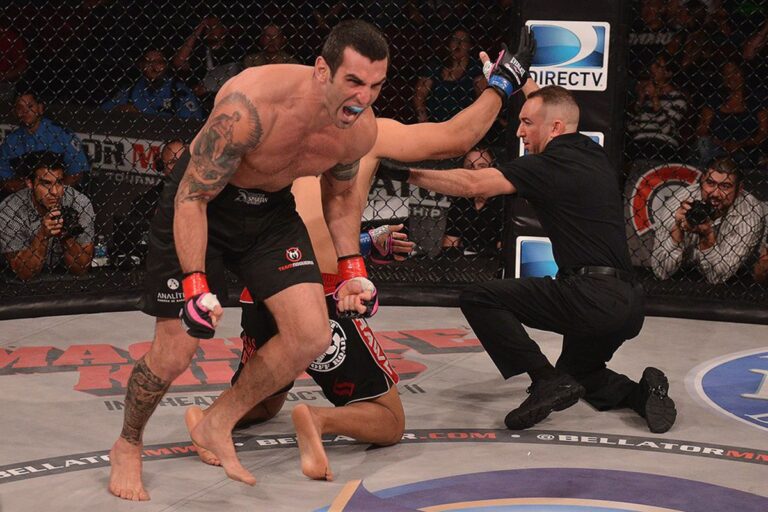
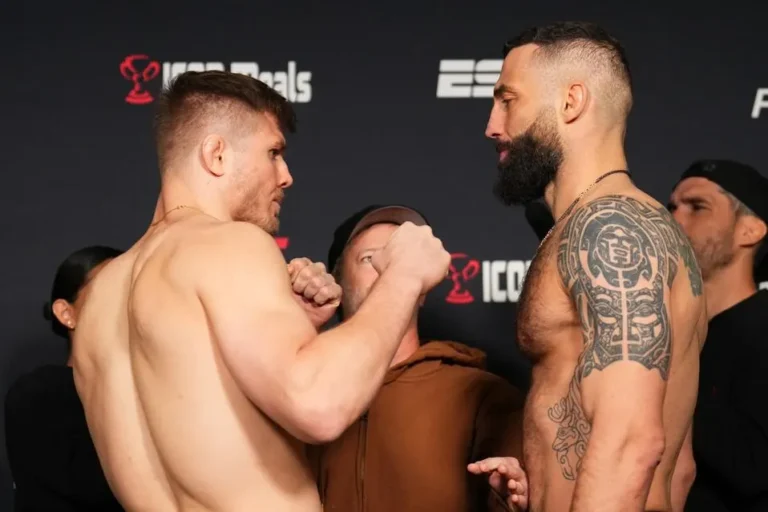

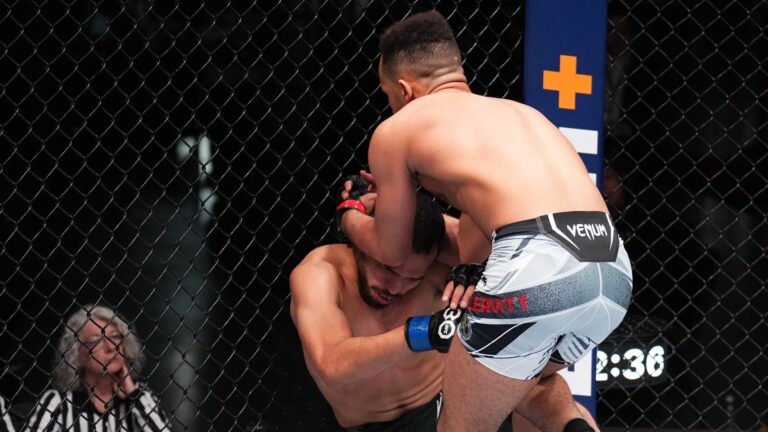

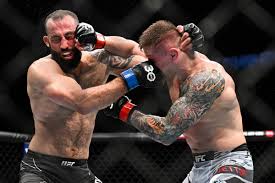
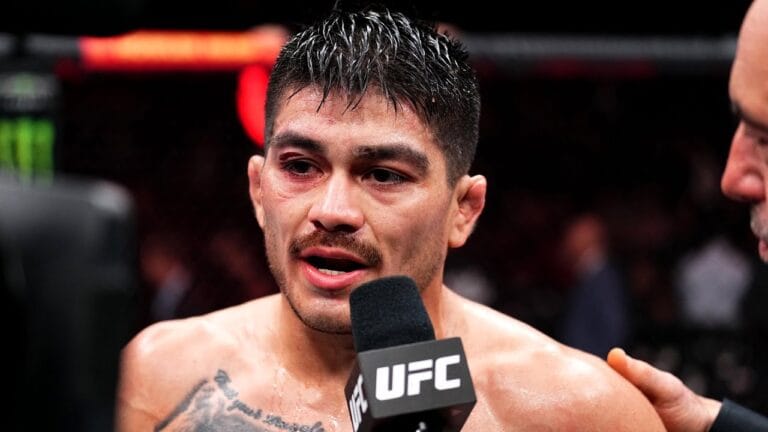
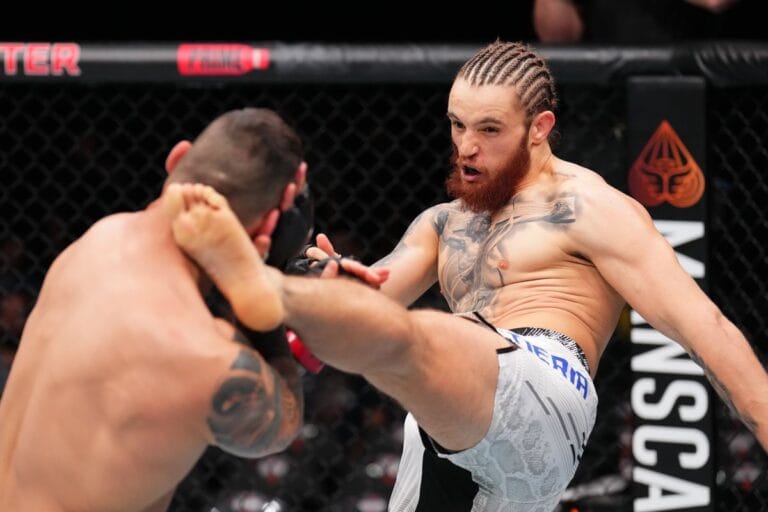
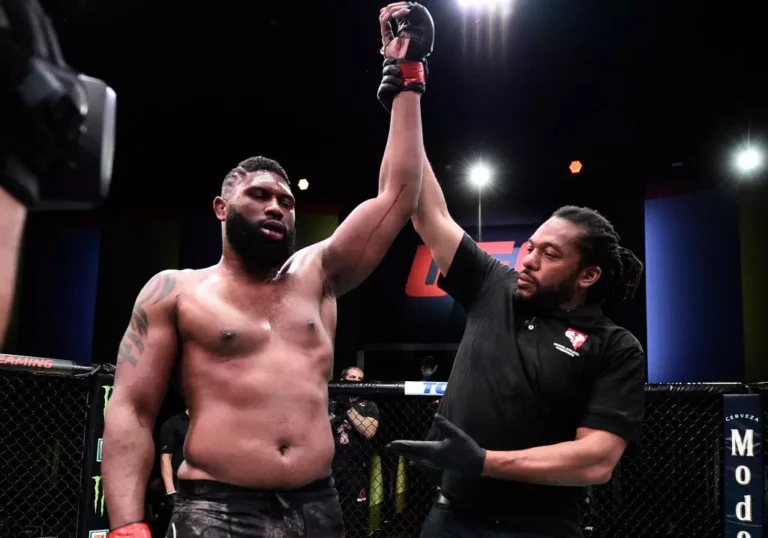
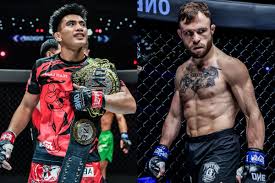

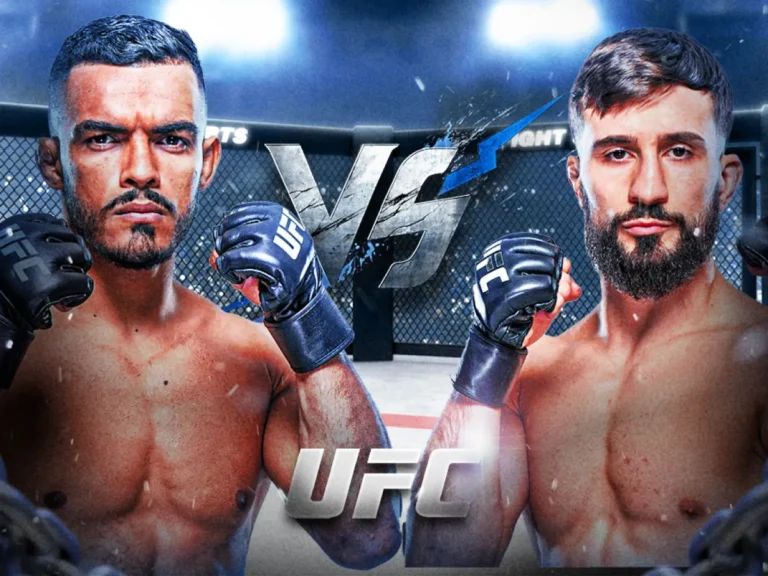
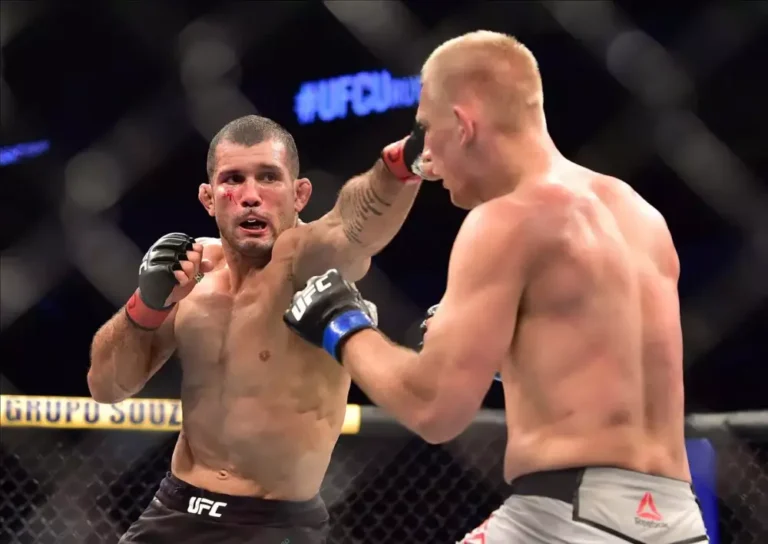
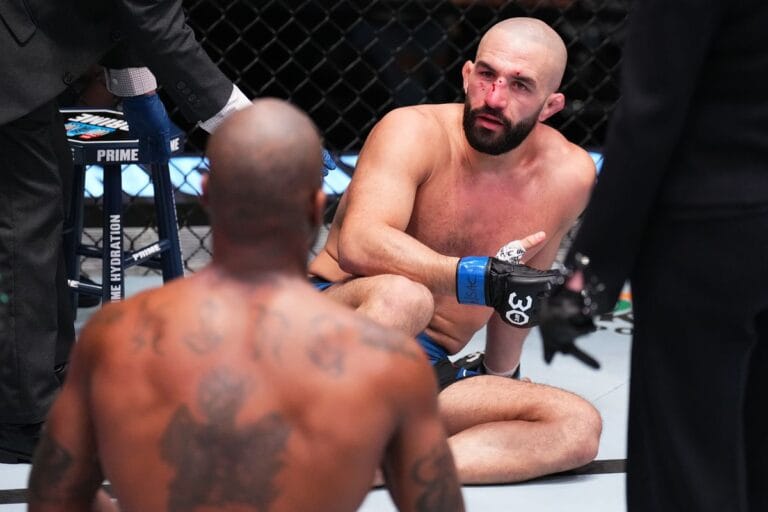
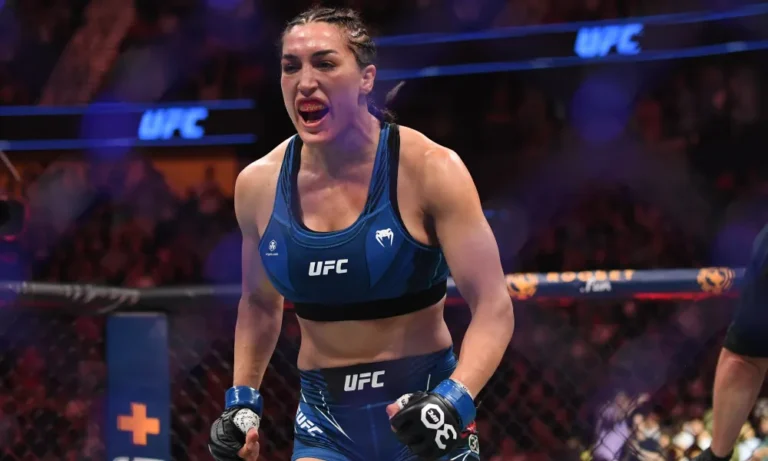
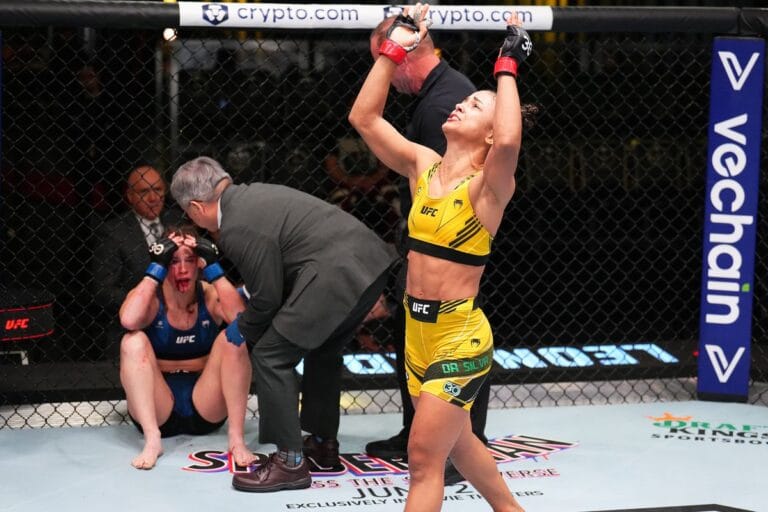

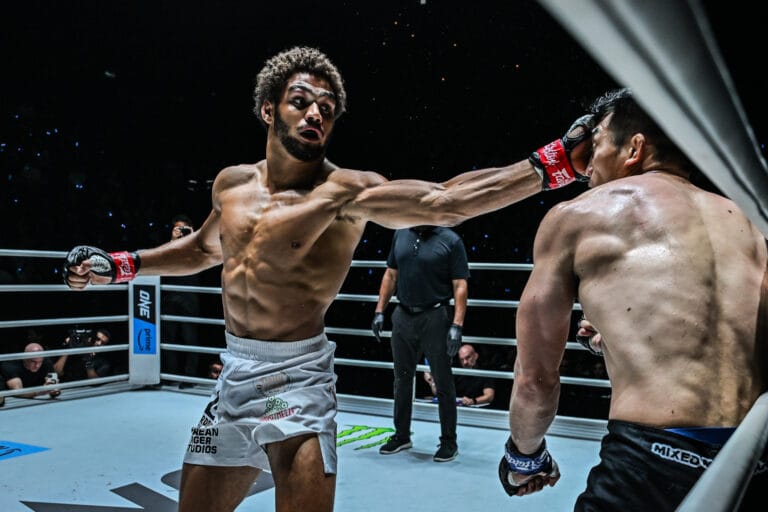
UFC Predictions & Fight Breakdowns
Prelims to main card — analysis-first, not hype
If you follow UFC and want structured, readable fight analysis, this category is your hub.
We publish previews for matchups across the full card — from early prelims to the main event —
with a focus on “why a result can happen,” not just a single blunt pick.
You’ll see several analysts working on the same event, so you can compare viewpoints and build your own conclusion.
Where possible, we include fighter profiles, key stats, and technique notes — written to be useful even if you skip the betting part.
Multiple expert opinions
Style & matchup breakdowns
Fighter stats & basics
What our UFC predictions focus on
1) Matchup logic (the repeatable win route)
Every preview starts with the core question: what is the most repeatable way each fighter can win?
That can be a pace advantage, a wrestling chain, cage control, counter timing, a clinch edge, or a durability gap.
We highlight the route that is most likely to show up consistently across three rounds (or five in main events).
2) Style clashes and “game-state” switches
MMA outcomes often hinge on small switches: a compromised lead leg, a cut, a sudden takedown timing change,
or a cardio dip after a scramble-heavy round. We call out the moments that can cause a game-state flip —
when the fight’s shape changes and a favorite suddenly looks less safe (or an underdog becomes live).
3) Technique detail without overcomplication
- Striking layer: stance matchups, range control, entries/exits, and the shots that actually land clean.
- Grappling layer: takedown setups, top control vs submission threats, and get-up ability at the fence.
- Clinch layer: who wins positions, who is forced to work, and how that affects cardio.
- Finishing risk: where volatility is highest (power, submissions, defensive lapses, fatigue).
Treat any pick as a scenario, not a promise. If two analysts disagree, that’s a signal:
the matchup may be high-variance, or the market line may be doing a good job pricing uncertainty.
How to read UFC picks on this site
Quick checklist
- Separate “edge” from “confidence”: a good number can exist in a volatile fight — and vice versa.
- Know the risk type: some fights are decision-heavy; others are defined by finishing variance.
- Watch for late variables: weight-cut issues, short notice, and style changes can matter more than old stats.
- Compare viewpoints: when multiple analysts converge, you get a clearer picture of the fight’s likely script.
We aim to keep the language simple: the goal is that you understand what has to happen in the cage for a pick to win,
and what could break it. If you only read one part, focus on the “why” and the “what can flip the fight.”
Disclaimer
Betting involves risk. This category provides informational and educational analysis and is not financial advice.
Always make your own decisions and only risk what you can afford to lose.
FAQ
Do you cover prelims or only the main card?
We aim to cover the full event card — including prelims — so you can evaluate matchups beyond the headline fights.
Why do different analysts sometimes give different picks?
Because MMA is high-variance. Some fights have multiple plausible scripts (pressure vs counters, wrestling vs get-ups, pace vs power). Different analysts may weight those scripts differently, which helps you see the real uncertainty.
What data do you include in a typical UFC preview?
Where available, previews include basic fighter profile info (anthropometrics), key statistics, and an explanation of the most repeatable win route for each side — plus the main risk factors that can flip the fight.
How often are UFC predictions updated?
Updates can happen throughout fight week when relevant information changes (line movement context, matchup news, late variables like short notice or weight-cut concerns). If something materially changes, we reflect it in the fight breakdown.
Do you provide betting advice or guarantees?
No. We provide analysis and scenarios to help you think clearly. Outcomes are uncertain, and no result is guaranteed.
What’s the safest way to use a prediction page?
Use it as a decision framework: understand the fight script, identify the “break points” (moments that flip momentum), and treat any pick as a probability view — not a certainty.