
On-Course Horse Racing Betting: How It Works
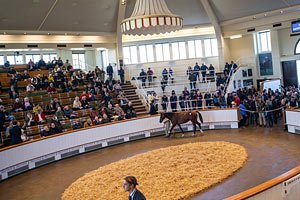
On-course betting can mean using a bookmaker in the betting ring, an on-site betting facility or the Tote. The mechanics are straightforward, but price, place terms, ticket details and late non-runners still need to be checked before the race.
Contents
How On-Course Horse Racing Betting Works
Bookmaker boards, Tote pools, tickets, prices and race-day settlement
On-course betting means placing a wager at the racecourse rather than online. At a UK meeting, that can include traditional bookmakers in the betting ring, on-site betting facilities and Tote pool betting.
The mechanics are simple, but the price and settlement rules still matter. Before handing over a stake, check the horse, bet type, odds, place terms and any special rules displayed by the operator.
Fixed odds
Tote pools
Betting ticket
1. The Main Ways to Bet at a Racecourse
At many British racecourses, you will encounter three broad routes:
- On-course bookmakers: independent or licensed operators displaying fixed odds on runners.
- On-site betting shop facilities: where available, operating more like a high-street bookmaker.
- The Tote: pool betting, where stakes are combined and dividends depend on the final pool rather than a fixed quoted price.
The first two can quote fixed odds. Tote products use pool mechanics, so the eventual dividend can change as money enters the pool.
2. Reading an On-Course Bookmaker Board
A bookmaker’s board or display should show the runners and available odds. UK Gambling Commission rules also require on-course licensees to display key information such as the trading name, minimum bet, applicable maximum payout, accepted bet types, concessions and any rules that differ from the racecourse’s standard betting rules.
Before placing the bet, identify:
- the correct race;
- the horse number or name;
- whether you want win or each-way;
- the displayed price;
- the stake;
- the each-way terms, if relevant.
Do not assume every bookmaker is offering the same price or the same concession.
3. Example: Placing a Simple Win Bet
Suppose Horse 4 is displayed at 5.00 decimal odds and you want to stake £10 to win.
- You identify the race and Horse 4.
- You confirm the displayed price is 5.00.
- You state the stake and bet type.
- The operator accepts the bet and issues a ticket.
If the horse wins and no deduction or special settlement rule applies, the return is £10 × 5.00 = £50, including the original £10 stake.
For betting-ring transactions, the ticket records the accepted bet. Check it immediately and retain it until the bet is settled and paid.
4. What Information Should Be on the Ticket?
UK Gambling Commission requirements for bookmakers operating within horse-racing betting rings specify information that the betting slip or ticket should contain. This includes the operator’s name and contact details, race-day identification, race number, selection, stake, odds or Starting Price basis, potential return where applicable, and bet type.
If the printed details do not match what you intended to place, raise the issue immediately rather than waiting until after the race.
5. Fixed Odds vs Starting Price
With a fixed-price bet, you accept the odds quoted when the wager is struck. With a Starting Price bet, settlement uses the official SP returned for the horse under the applicable market rules.
The better option cannot be known in advance with certainty. A horse may shorten after you bet, making an earlier fixed price more attractive, or drift, in which case the eventual SP may be higher.
What matters is knowing which basis is written on the ticket. “5.00” and “SP” are not the same instruction.
6. Comparing Prices in the Betting Ring
One practical advantage of a betting ring is that several bookmakers may quote the same horse at different prices. Comparing the boards before betting can materially change the potential return.
For example, a £20 win bet at 4.50 returns £90 if successful. The same £20 at 5.00 returns £100. The horse and result are identical; the only difference is the price accepted.
This is why “which horse?” and “at what price?” should be treated as separate decisions.
7. Each-Way Bets On Course
An each-way bet contains two equal stakes: one to win and one to place. A £10 each-way bet therefore costs £20.
Before placing it, check the bookmaker’s displayed each-way terms. The number of places and the fraction of the win odds used for the place part can depend on field size, race type and any enhanced terms being offered.
Because on-course operators must display whether they accept win-only or each-way bets and any relevant concessions, do not rely on assumptions carried over from a different bookmaker.
8. Tote Betting at the Racecourse
Tote betting works differently from the fixed prices displayed by racecourse bookmakers. Money is pooled, and winning customers receive a dividend based on the pool after the applicable deductions and settlement rules.
Tote odds shown around the course can move before the race because more money is entering the pool. The displayed figure should therefore not be treated as a permanently locked fixed price in the same way as a bookmaker’s accepted fixed odds.
Multi-leg products such as the Placepot also use pool-specific rules for non-runners, permutations and abandoned legs.
9. Does Seeing the Horse in the Paddock Give You an Edge?
Being at the racecourse gives you access to information that an online bettor may not be watching closely: the parade ring, weather, visible track conditions and late announcements.
That can provide context, but it should not be treated as a guaranteed forecasting advantage. Interpreting a horse’s appearance and behaviour is subjective, and visual impressions should be weighed alongside form, race conditions, price and confirmed race-day information.
Use paddock observations to update an existing view only when they add something concrete. A horse merely “looking good” is not enough reason to discard the form, conditions and price.
10. Non-Runners, Rule 4 and Late Changes
Late withdrawals can affect fixed-odds bets struck before the horse was removed. In UK-style betting, an applicable Rule 4 deduction may reduce winnings on remaining runners because the withdrawal changes the market.
Always listen for announcements and check the bookmaker’s displayed rules. A non-runner can also reduce the field enough to change each-way place terms.
This is one reason to re-check the live field immediately before placing an each-way bet.
Before You Hand Over the Stake
- Betting with the first bookmaker you see. Compare prices where practical.
- Not checking the ticket. Confirm horse, race, stake, odds and bet type immediately.
- Confusing SP with fixed odds. They are different settlement instructions.
- Assuming each-way terms are identical everywhere. Read the displayed terms.
- Ignoring late non-runners. Withdrawals can affect deductions and place terms.
- Treating paddock impressions as certainty. Visual information is only one input.
- Confusing Tote dividends with bookmaker odds. One is pool based; the other can be fixed at acceptance.
FAQ: On-Course Betting
Can different racecourse bookmakers offer different odds?
Yes. Individual bookmakers can quote different prices, so comparing boards can change the return available on the same horse.
Do I need to keep my betting ticket?
Yes. Check the ticket when it is issued and keep it until the bet has been settled and any payout completed.
Is Tote betting the same as fixed-odds betting?
No. Tote betting is pool based, so the final dividend depends on the pool and successful units rather than simply locking a bookmaker price at the time of the bet.
Can a non-runner reduce my payout?
Yes. In an affected fixed-odds market, a Rule 4 or similar deduction may apply to winnings after a withdrawal.
Should I always bet after visiting the paddock?
No. Paddock observations can add context, but they are subjective and should be combined with form, conditions, price and other evidence.