
Bookmaker Gambling Rules
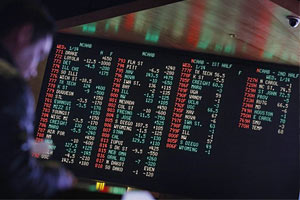
Sports events are the basis for bookmaker gambling. An event is any one-time sports competition or the summarizing of the outcomes of a series or a championship. For instance, a match, a competition, a round, a fight, a performance as well as outcomes of a game set, a championship or an Olympiad are sports events. Moreover, an incident during a competition that may or may not occur can be an event. A penalty or sending a player off the field during a football match can be such events. Any completed sports event has its outcome. For example, a match finishes with a victory of one team or a tie. All possible outcomes of an event are foreseen and each has its probability. The outcome is determined according to the official statistics after an event is completed.
[sc name=”banner468″][/sc]
Bets, types of bets, odds
A bet means a bet or a wager on an event outcome made between a bettor and a bookmaker, bookmakers being ready to take bets on various outcomes of the same event. In most cases bets for all possible outcomes of an event are taken. You can choose an outcome that seems most probable and accept a bookmaker’s bet on this outcome.
The types of event outcomes for betting:
- first team victory (marked “1” or W1);
- second team victory (marked “2” or W2);
- tie (“Х”);
- victory of one of the teams (“12”);
- number of goals over a specified number will be scored during a match (“over 2.5”, 2.5 being the number of the goals scored);
- number of goals under a specified number will be scored during a match (“under 2.5”, 2.5 being the number of the goals scored);
- bet on the score (“0:0”, “1:0”, “2:3”, etc.);
- and many others.
[sc name=”banner468″][/sc]
The odds are the most important condition of a bet. The odds offered by a bookmaker are fixed and cannot be changed after a bet has been made. The odds are always over 1. If a bettor multiplies this ratio by the money amount of its bet, he will see the amount to be paid out by the bookmaker after the event is completed with the outcome chosen by the bettor (in case he wins). For example, if the odds for the outcome of the England team victory in the England-France football match is 2.2, then with the bet amount being EUR 100, the bookmaker will pay you out EUR 220 (EUR 100 x 2.2 = 220). The bet amount is decided on solely by a bettor. The more the bet amount, the more the amount of the potential winnings is. By the way, if you want to get today soccer prediction, we recommend that you follow the link provided and subscribe to the blog section updates.
A bet on one outcome of an event is called a single bet. This bet is considered to be winning if the outcome is equal to the outcome a wager made his bet on. There are also multiple bets. It is a bet on several outcomes of different sports events. The total odds for a multiple bet are the product of the odds for each outcome wagered on. For example, if you think that the Canada hockey team wins against the Sweden team and the USA team against the Russia team, you can make a multiple bet on these two outcomes. If the odds for the Canada team are 1.5 and for the USA team are 1.8, then these two odds are multiplied making the total bet odds 2.4. However, the winnings are paid out only if all the multiple bet outcomes are guessed. If any of the bets lose, the bettor loses the parlay. The more events a multiple bet includes, the more the odds and potential winnings are, but also the more the risk to lose is.
Read also: Sachin Tendulkar Net Worth, Wiki, Bio, Height, Wife, Career.
A handicap bet is a bet on an event outcome when a handicap is given to one team before the event begins. For example, one team is already given the handicap of +1 meaning that this team is one goal ahead before the match starts (1:0). If the handicap is -1, the team is one goal behind (0:1). For example, you had made a bet with the handicap +1.5 on the second team, and it lost 2:1. But you won the bet! Since if you add the handicap to the score, it will become 2:2.5 and thus the second team wins. By the way, if you’re looking for bookmaker rating, follow the link to get a list of legal and verified bookmakers.
[sc name=”banner468″][/sc]
Bets can be taken on a part of a sports event: a time, a period, a set, a round, etc. In this case the outcome is clear after this period of time, but the payouts are made after the whole event is completed. As it was mentioned above, a bookmaker can allow betting on whether an event will take place or not as well as on the number of specific events that will happen during the competition. Corner kicks and substitutions in football, bull’s eye hits in biathlon, overtime or additional time in hockey can be such examples. Bets on what event will happen first can be accepted for a change. For example, a goal or a yellow card.
Read also: Strategy of the Gambling.
All of today’s best bookmakers offer as many various bets as possible to attract bettors. Besides, this way they mitigate their risks, since the bets are distributed more evenly between sports events. So you will have options to choose from. Never before in its history the bookmaking business have offered so many outcomes and bets. The main thing is to make the best use of the offered instruments. The punters with bookmakers use these advantages with positive results. If you want to learn how to make right bets and win, keep studying from this website. Seasoned bettors frequently take advantage of reload bonus betting to extend their playing time.
FAQ: Bookmaker Gambling Rules
Why should bettors review bookmaker rules before placing any bets?
Before committing any funds, it’s vital for users to familiarize themselves with the specific terms that govern a bookmaker’s operations. Each platform may interpret match outcomes, cancellations, or unusual events differently, and these policies are outlined in their rules. Relying on assumptions can lead to disputes or unexpected cancellations of winnings. A clear understanding of the operator’s guidelines allows players to approach betting more confidently and with fewer surprises. It also helps bettors make informed decisions about where to place certain types of wagers. Since the rules affect everything from minimum stakes to voiding criteria, ignoring them is a risk in itself. Responsible betting always begins with reading the fine print.
How do bookmakers typically handle matches that are suspended or delayed?
Bookmakers usually have internal protocols to manage games that are interrupted or rescheduled, but these protocols vary by operator. Some may keep bets active for a set time period, such as 24 or 48 hours, while others cancel wagers automatically. The resolution might depend on whether part of the event has already taken place or if markets were settled live. Bettors should always be aware of how their chosen platform handles these disruptions. Specific rules may also apply to live bets, which are often more sensitive to time changes. Understanding these nuances helps prevent confusion when payouts are delayed or bets are voided. It’s another reason why checking sport-specific conditions is essential.
What kinds of betting limits do bookmakers apply, and why are they enforced?
Betting limits exist to maintain the financial stability of the bookmaker and reduce exposure to potentially high-risk activity. These limits can include caps on daily winnings, maximum bets per event, or even personalized restrictions for frequent winners. Operators may also differentiate between new and experienced users when assigning limits. In high-profile matches or low-tier competitions, limits are often adjusted to reflect the bookmaker’s risk model. These constraints are usually spelled out in the terms of use, although dynamic adjustments can occur. For bettors, being aware of these boundaries avoids confusion when bets are declined or stakes are auto-reduced. Limits are a standard part of any regulated betting system.
What is the standard procedure for resolving a dispute with a bookmaker?
If a bettor disagrees with a bet settlement or believes an error occurred, the first step is contacting the platform’s customer service. Most sites require users to submit details such as bet ID, screenshots, and descriptions of the issue. If the complaint isn’t resolved internally, regulated platforms may offer escalation to third-party bodies, such as gaming authorities or alternative dispute resolution (ADR) services. Keeping detailed records of all communication increases the chances of a fair outcome. It’s important to initiate disputes within the time window defined in the operator’s rules. Following these channels ensures a professional review of the situation. Patience and proper documentation are critical throughout the process.
Under what circumstances can a bookmaker cancel a previously accepted bet?
Bookmakers generally reserve the right to cancel a bet after acceptance if specific conditions are met. These can include palpable errors in odds, technical glitches, incorrect market listings, or fraudulent activity. Bets might also be voided if the user is found to have breached terms, such as bonus abuse or multi-accounting. Most platforms outline these conditions in sections like “errors and corrections” or “betting integrity.” Though frustrating, such voids are typically legal if the user agreed to the terms during registration. Understanding the language of these clauses is essential to avoid unexpected outcomes. Transparency from both sides helps maintain trust in such cases.
How are final results used to settle wagers?
Bookmakers rely strictly on the official results issued by recognized sports authorities to settle bets. This approach ensures that outcomes are standardized and minimizes room for misinterpretation. If a game result is changed later due to disciplinary actions or appeals, most bookmakers will still use the original published result. This rule avoids chaos and ensures consistency across markets. It also explains why some settlements are delayed—operators wait for the final confirmation. Bettors should avoid relying on unofficial sources like social media for outcome information. Using authoritative results protects both the operator and the player.
Do the rules change depending on the type of bet or sport?
Yes, rules can differ significantly across sports and even between markets within the same event. For example, rules that apply to football full-time markets may not be relevant to over/under bets in basketball. Similarly, in tennis, retirements and walkovers are handled uniquely compared to team sports. Bookmakers often include separate rules for individual sports or exotic bet types like player props. Assuming all bets follow the same structure can easily lead to misunderstandings. This is why reading the market-specific terms is essential before placing any wager. Understanding those variations will improve your strategic approach and reduce errors.
Why might a bookmaker block or limit an account?
Bookmakers may restrict or suspend accounts to protect against financial risk or unethical behavior. This can occur if a user consistently exploits market inefficiencies, abuses bonuses, or violates identity verification policies. Even successful bettors who pose a financial threat to the platform may find their accounts limited. These actions are usually supported by clauses in the terms and conditions, though enforcement styles differ. In some cases, automated systems trigger restrictions based on betting patterns or unusual activity. Transparency is key—users should always understand why action was taken. Responsible operators provide at least minimal explanation when limits are applied.
Are some bookmakers more flexible than others with their rules?
Yes, the level of flexibility in rule enforcement often varies depending on the bookmaker’s licensing, size, and internal policy. Established platforms with global operations may adhere strictly to documented procedures, while smaller or newer operators might show more discretion. Some bookmakers offer goodwill gestures in minor disputes, while others enforce their terms rigidly. This variation is why choosing a reputable and licensed bookmaker is so important. Researching customer experiences and support quality can offer insight into how flexible a bookmaker is. It’s worth evaluating not just odds and bonuses, but also the operator’s conflict resolution culture.
What’s the best way to avoid conflicts over bookmaker rules?
The simplest way to stay out of conflict is by taking the time to study the rules before any betting begins. This includes both general policies and conditions specific to bet types and sports. Staying updated on changes—especially around major events—is also important, as rules can shift based on seasonal activity. Asking questions before placing a wager is a smart strategy if any clause seems unclear. Using reputable platforms ensures that there is a structured and fair process for handling errors. Bettors who are proactive about learning the rules are far less likely to encounter negative surprises. Informed users enjoy a smoother and more secure betting experience.